Parisian brasseries: a capital institution
Taverns full of fun and mischief
There is no specifically Parisian drink (apart from water from the Seine in ancient times) and beer, as we all know, was not born in Paris. And yet.., the brasserie is a veritable institution in the capital. But be careful: it's not the same as a bistro, café or restaurant. The brasserie takes its name from the fermentation sites which were used in the Middle Ages to make cervoise.
At the end of the Second Empire, the brasserie was still just a hybrid, halfway between the guinguette and the cabaret. Alsatian beers were served there for the World's Fairs, but the concept proved so popular that it eventually took root.
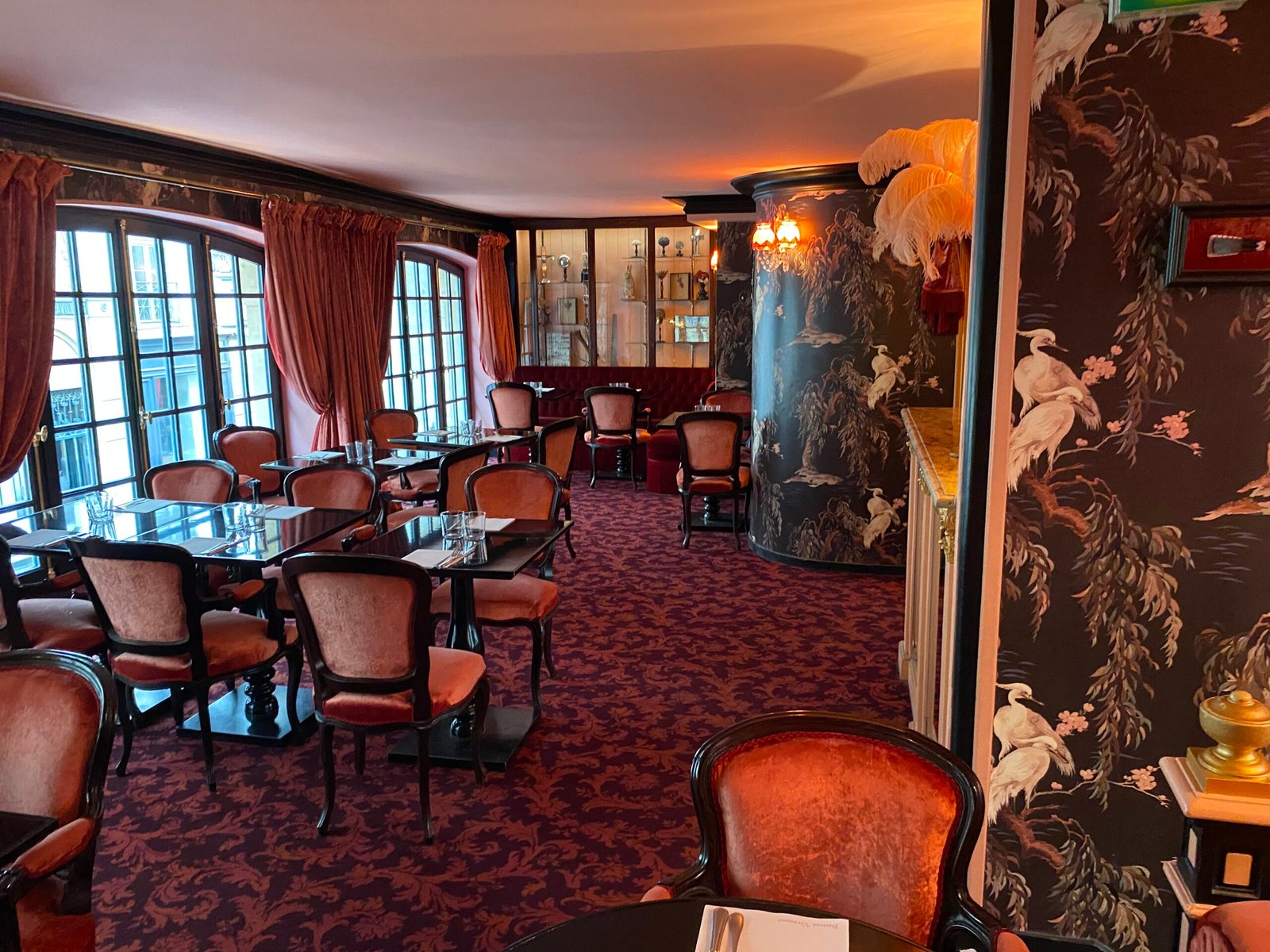
Back then, the first taverns were quite playful. For example, at the Brasserie de l'Espérance, In the rue Champollion, dark-haired waitresses served lagers, and the lagers the dark-haired ones! At the Taverne du Bagne, On the boulevard de Clichy, customers were greeted like convicts in a gloomy setting by waiters dressed as convicts. Fashions may come and go and amusements change, but traditions remain.
A haven for artists and intellectuals
Originally, the brasserie was a small restaurant open at night where you could eat simple French dishes at any time. Wine was the main drink in Paris until the 18th century, beer (brought over by the Germans) became massively popular after the Franco-Prussian war of 1870.
At the same time, attitudes were changing. The world of art and culture attended less and less social salons. Parisians, who were often poorly housed because of the population influx, rarely invited one another to their homes. These establishments became refuges, literary and artistic cenacles, But they are also places for fiery meetings and resounding parties. The Zimmer, for example, which is still proudly displayed on the Place du Châtelet, counted Jules Verne, Émile Zola and Sarah Bernhardt among its regulars.
The perfume of the Belle Époque
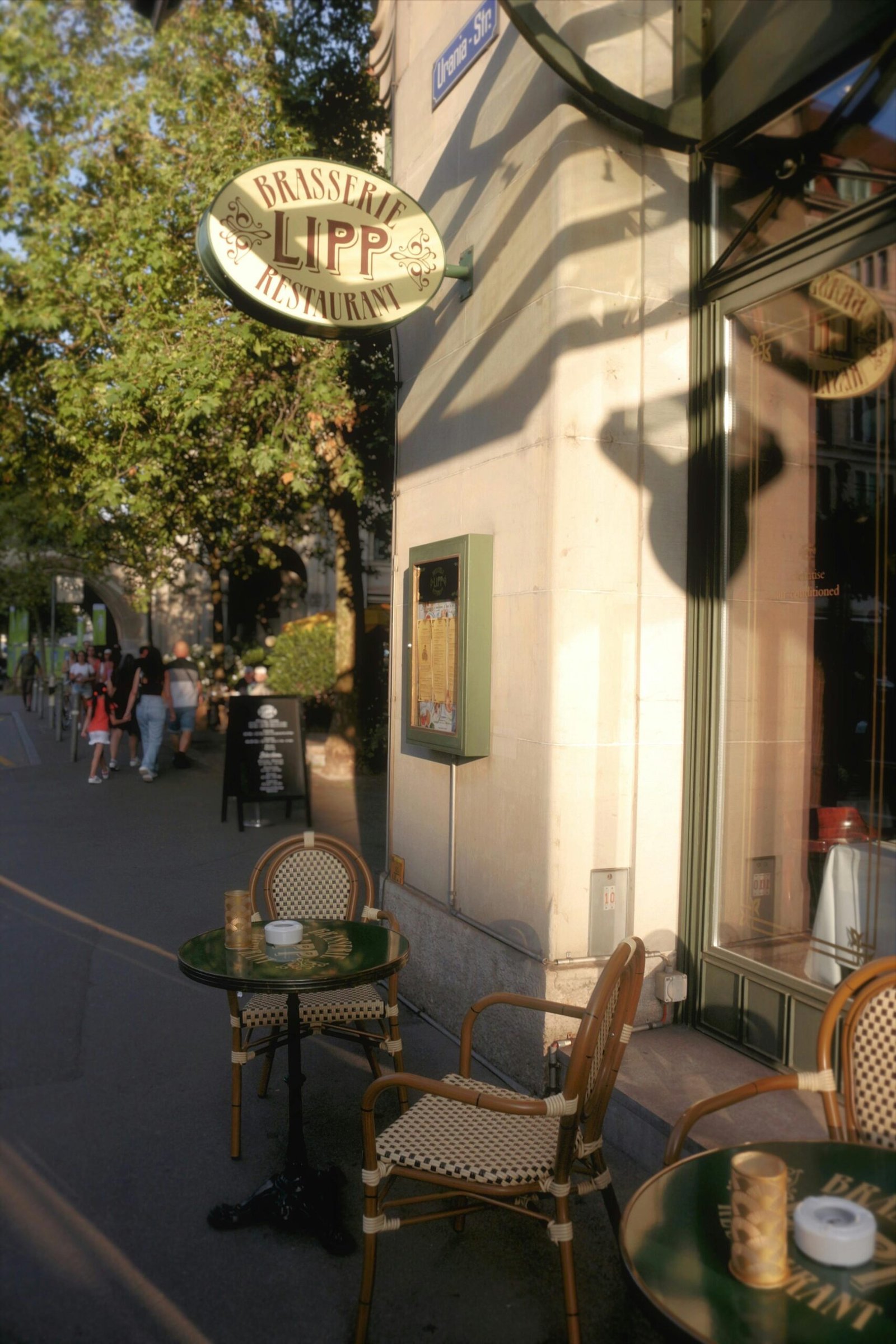
In the 1950s, there were almost 200 brasseries in Paris. They have the advantage of being strategically located and open late, well after showtime, making for some very convivial post-theatre moments. Who doesn't know the Brasserie Lipp boulevard Saint-Germain, La Coupole in Montparnasse, or Bofinger near the Bastille?
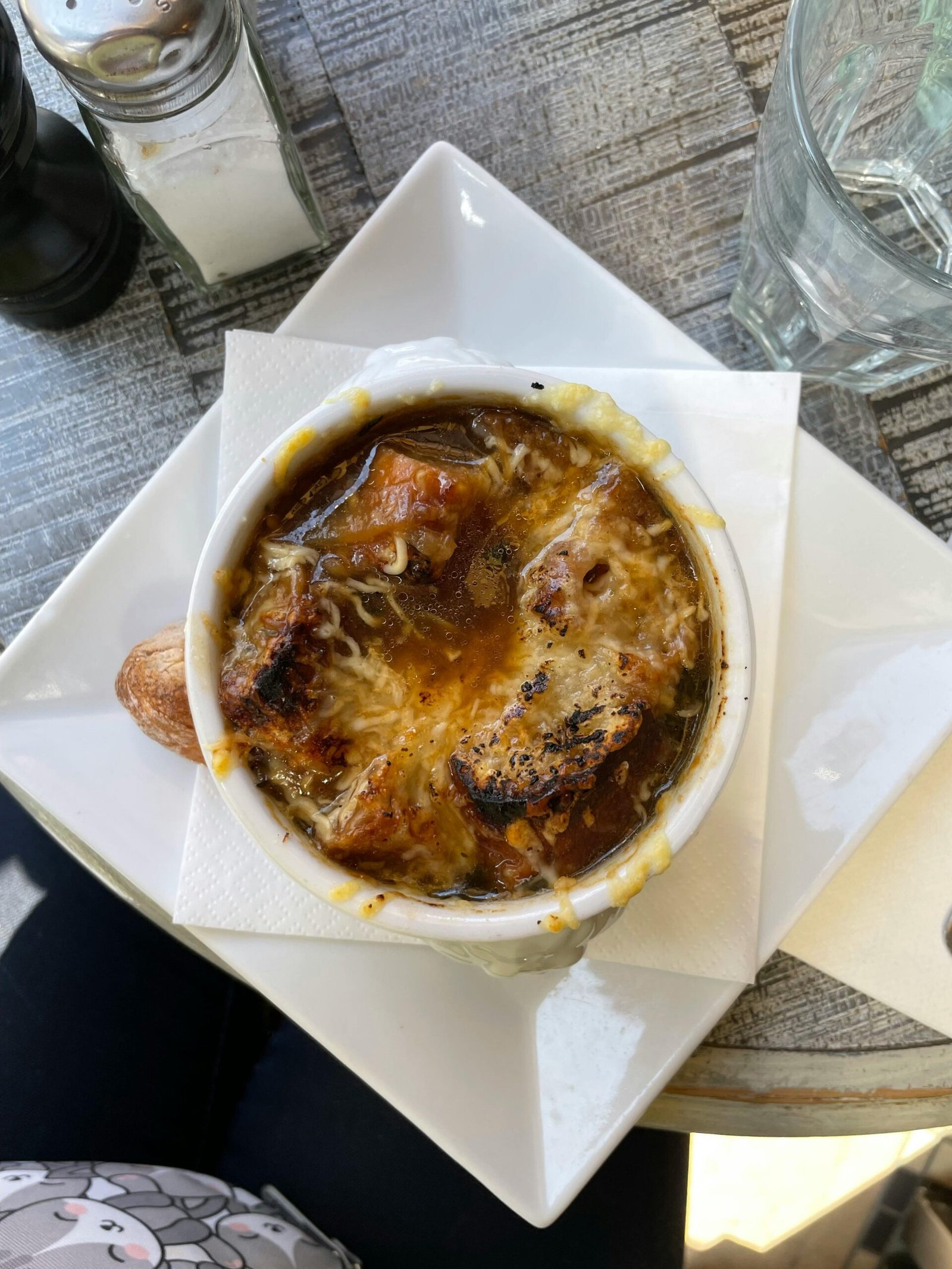
As well as Alsatian beers, you can sample the emblematic dishes of French cuisine: pot-au-feu, onion soup, "pied de cochon" and other blanquettes, sometimes known as "blanquettes". «canaille» dishes».
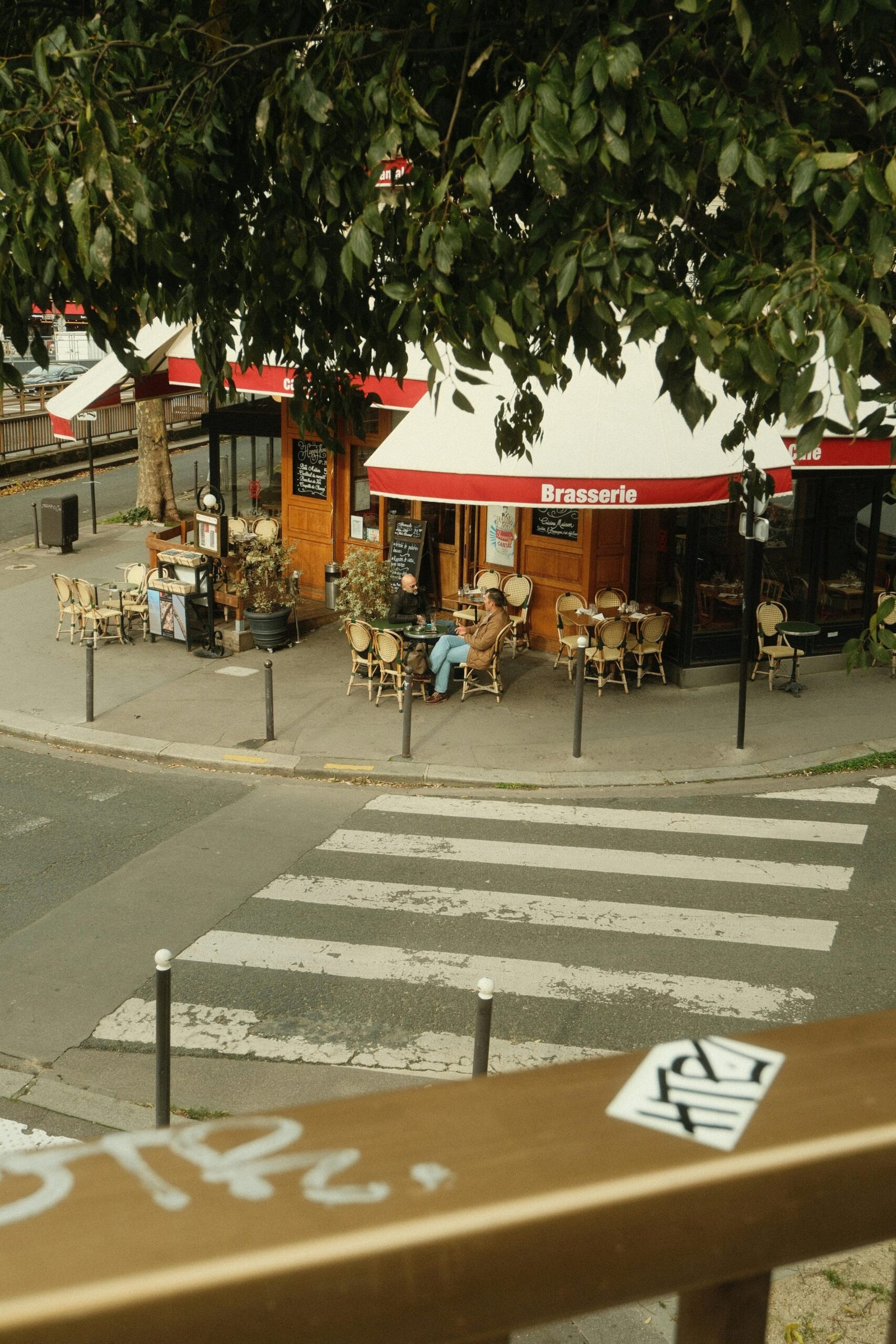
Today, many Parisian brasseries have kept this tradition. old-fashioned charm Walls covered in mirrors and wood panelling, ceilings painted with Art Nouveau motifs, upholstered leather banquettes and large pewter or zinc counters. Not to mention the tiled floors and the famous woven chairs on the terraces, around tables with cast-iron legs. To enter a brasserie is to breathe in the perfume of the Paris of the Belle Époque.
For lunch with friends or a gourmet break, many Parisians love to sit down at one of their favourite brasseries, where they often know the waiters or the owner. For an hour, they are in an oasis, far from the hustle and bustle and worries, and they recognise in these walls steeped in history a little of the old soul of Paris.
Frank Emmerich

Discover Paris differently, far from the clichés
 Français
  English (UK)
  Deutsch